
> Mezzomonte – Calcari del Cellina <
Stromatolites, lagoons and Grotta Nera
> The Friulian Platform <
The Cansiglio - Cavallo area, lying on the border between Veneto and Friuli Venezia Giulia, preserves traces of a distant past, dating back millions of years, when Italy and the Alps did not yet exist. Between the Jurassic and Cretaceous periods (from 200 to 66 million years ago), the current area covered by Friuli Venezia Giulia was a large marine carbonate platform, lying at the latitude of the tropics and called the Friulian Platform.
Set in the warm climate of the Mesozoic, the carbonate platforms played a predominant role in the entire marine landscape of the intertropical zones, creating landscapes similar to today’s Bahamas and favourable to the proliferation of life.
Over time, the resulting marine sediments were transformed into limestone rocks and the organisms into fossils.
In particular, the Col dei S’cios Limestone represents the base of the Monte Cavallo Formation and is indicative of one of the episodes of maximum development of rudist bioconstructions, which were established on the carbonate platform during the marine transgression phases (and during which sea levels rise) between 100 and 95 million years ago, the Lower and Middle Cenomanian.
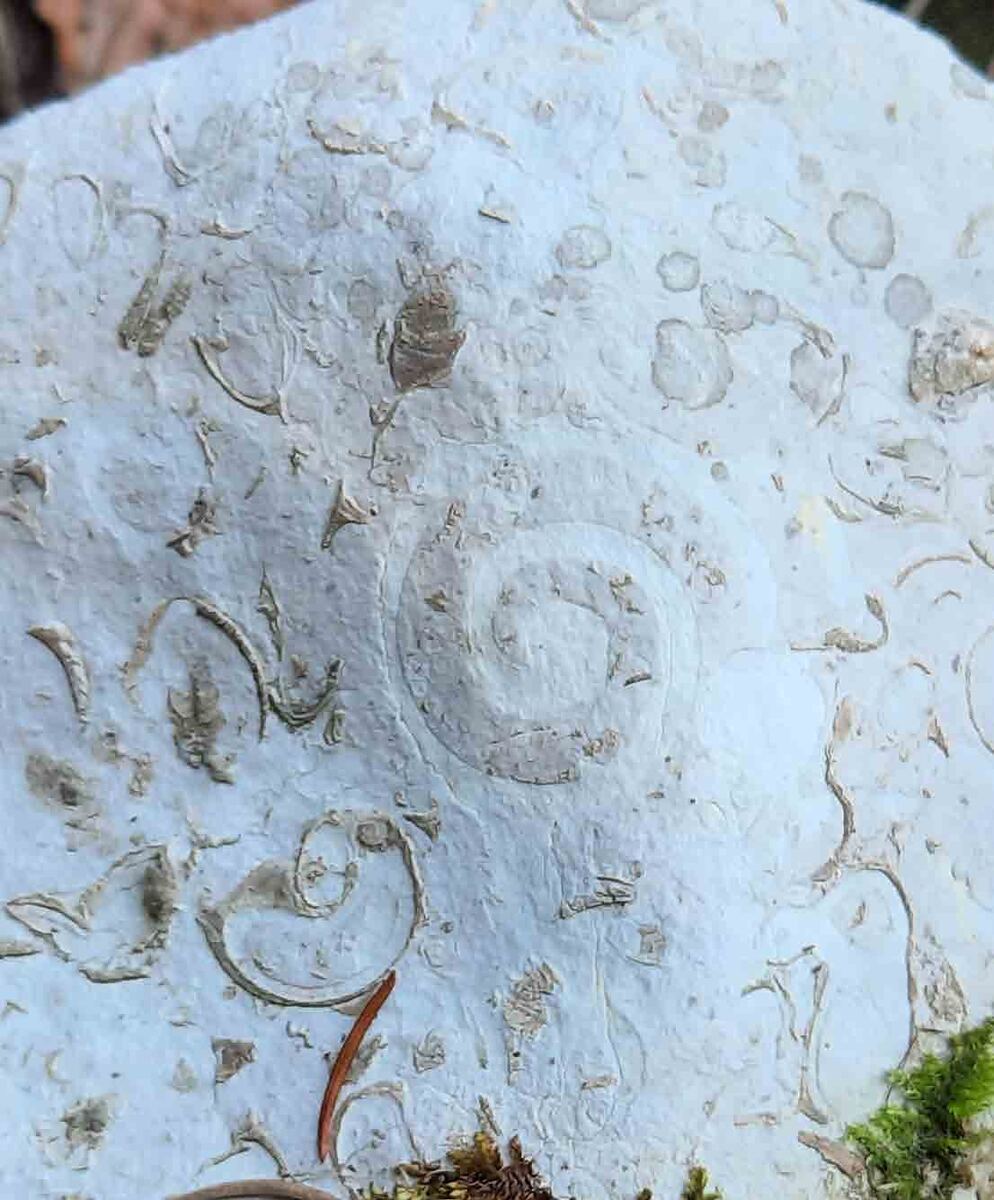
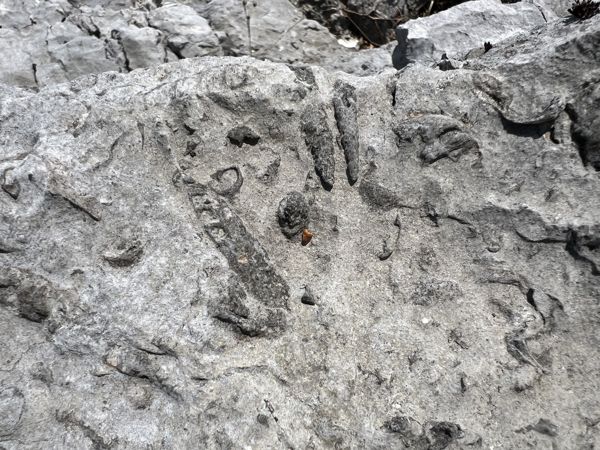
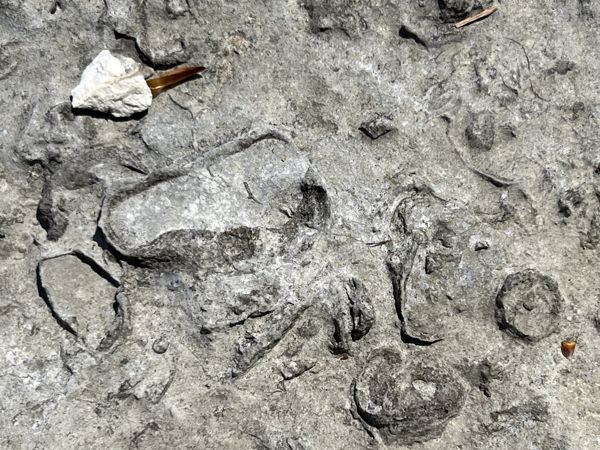
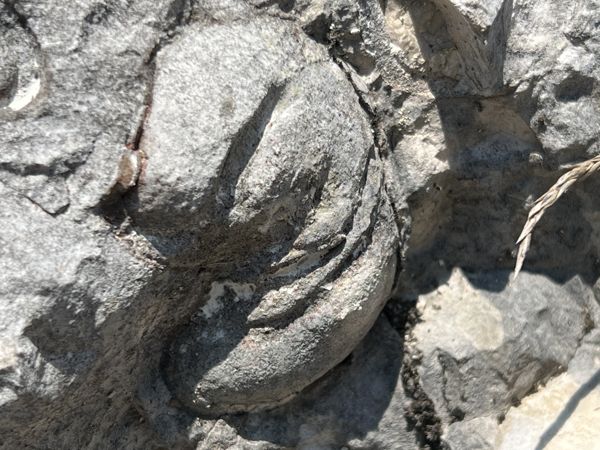
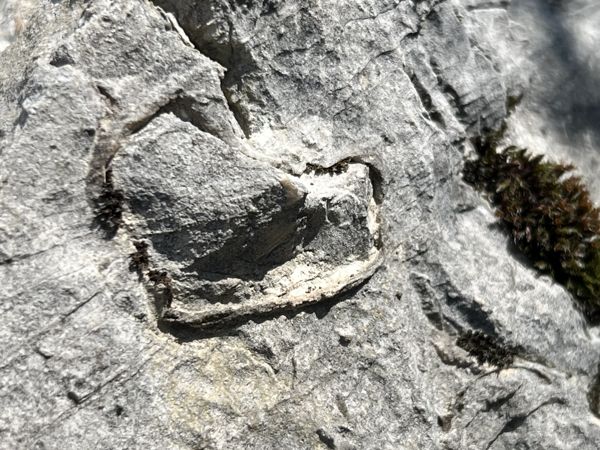
Among the most representative fossils we find bivalve molluscs with numerous species of rudists of the Caprinidae family, among which Caprina schiosensis Boehm stands out and other less represented genera such as Apricardia and Radiolites. There are many gastropods of the families Nerineidae and Acteonellidae, while corals are sporadic.
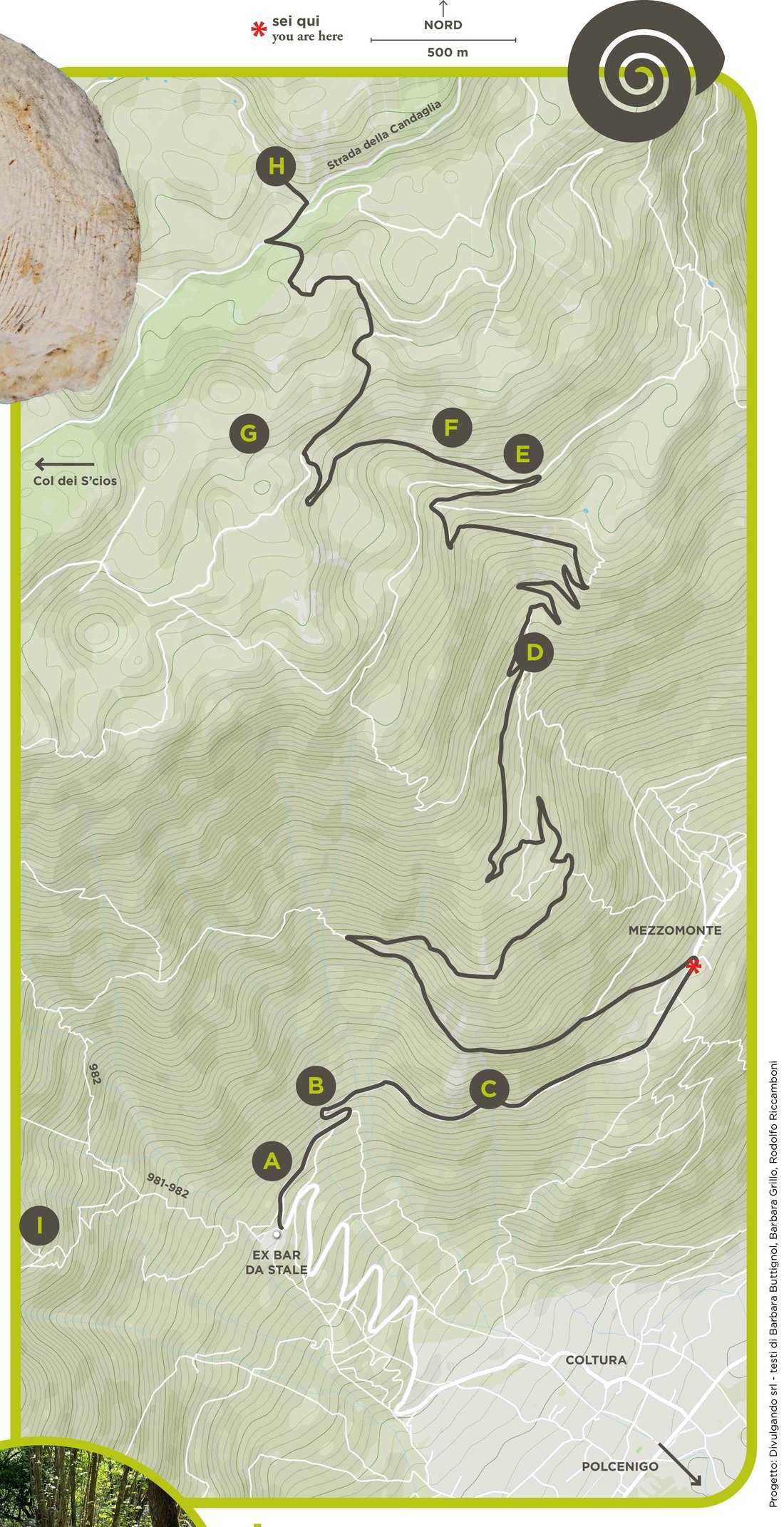
The stops along the Mezzomonte road
The road climbing from Coltura to Mezzomonte and on towards the Cansiglio crosses, in a few kilometres, about 100 million years of tropical-sea history.
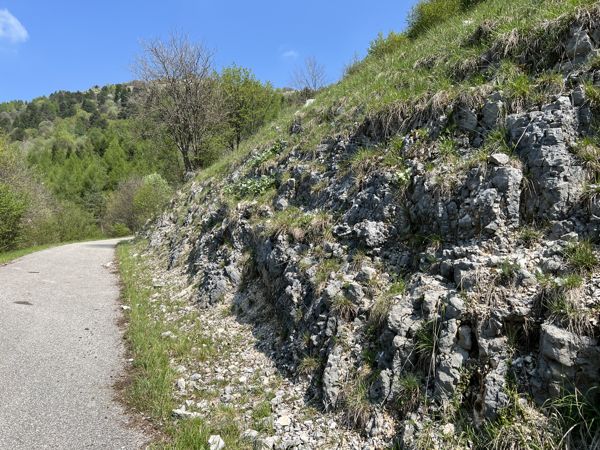
- ABrachiopods, cephalopods and sea urchins: the first signs of the reef in the Polcenigo Limestones
- BThe reef complex: white limestones rich in corals, sponges and sea urchins
- CGastropods and bivalves, with the first rudists
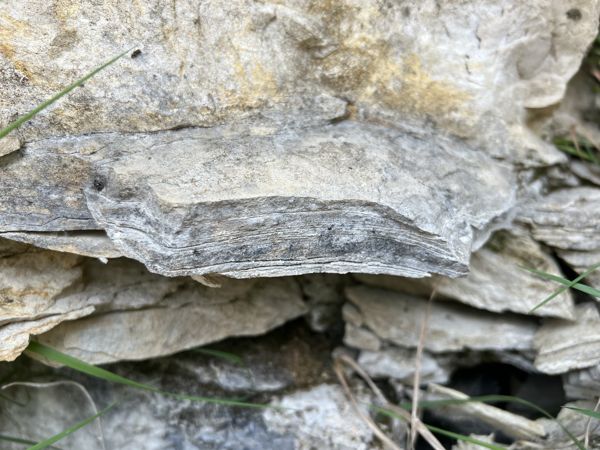
- DFaierazzo Bituminous Limestones: fossil plants, the “pietra porca”
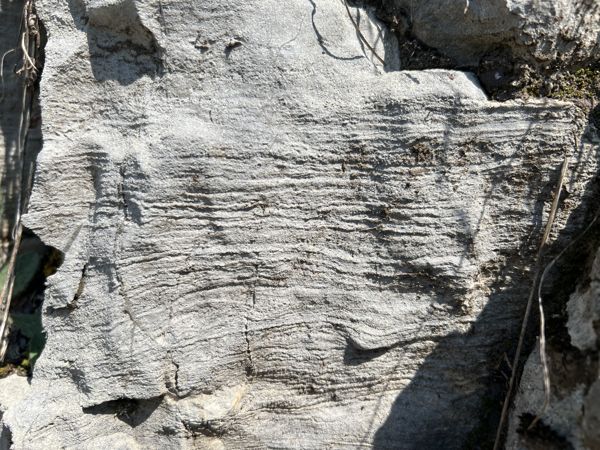
- EStromatolites, layered structures of algae and cyanobacteria
- FFossil fish from lagoon environments
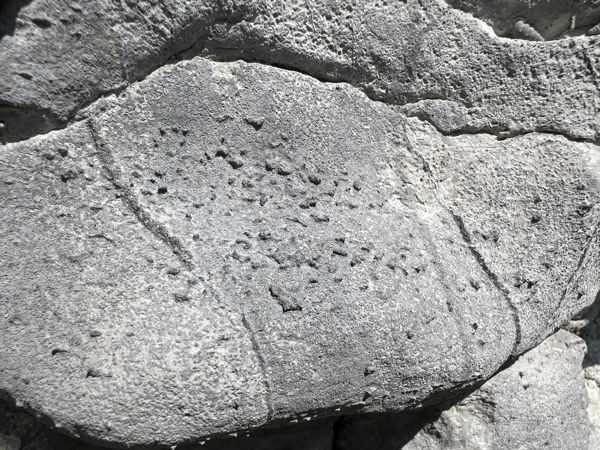
- GIsolated rudists in the Cellina Limestones
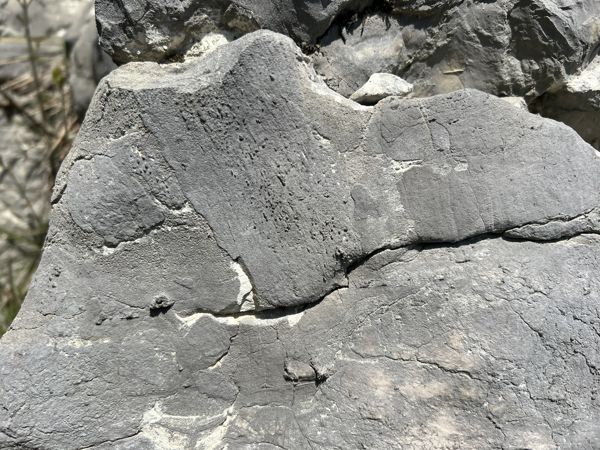
- HRudist banks in the Col dei S’cios Limestones: the sea has returned
- IDinosaur footprint on the limestone along CAI trail 982
Map from the panel «The Polcenigo ridge» · Municipality of Polcenigo, project by Divulgando Srl
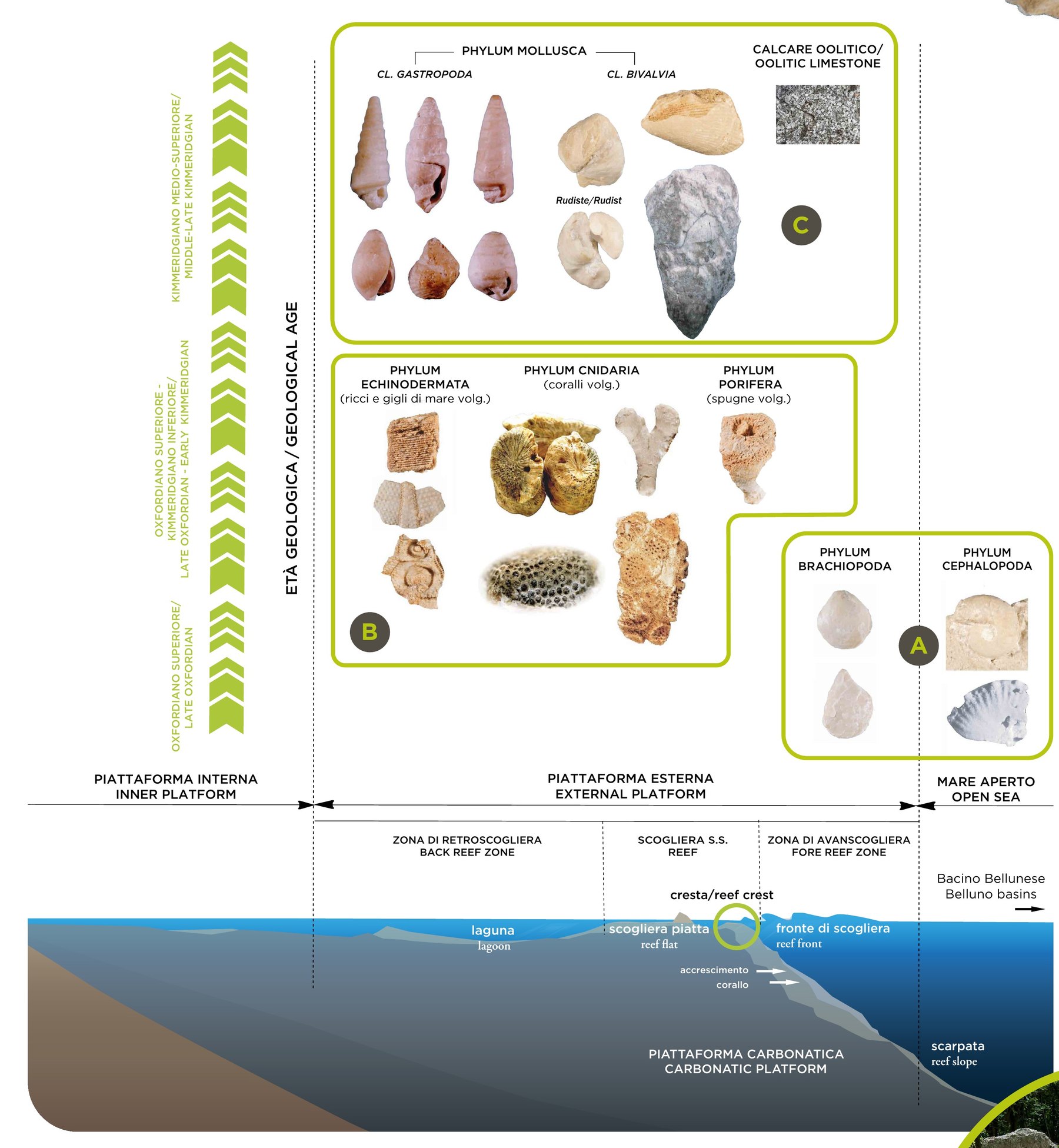
The environments of the Jurassic reef
I Polcenigo Limestones, outcropping before the village of Mezzomonte, are the oldest geological evidence in the area: they date from the Late Jurassic, between about 155 and 150 million years ago.
The drawing places the fossils in the environment where they lived: brachiopods and cephalopods [A] towards the open sea; sea urchins, corals and sponges [B] in the reef itself; gastropods, bivalves and the first rudists [C] in the back reef, towards the lagoon.
The letters match the stops along the road to Mezzomonte; the column on the left shows the age, from the Oxfordian to the Kimmeridgian.
Drawing by Barbara Buttignol · from the panel «The Polcenigo ridge» · Municipality of Polcenigo, project by Divulgando Srl
Videos and documentaries
Video stories and mini documentaries filmed on site.
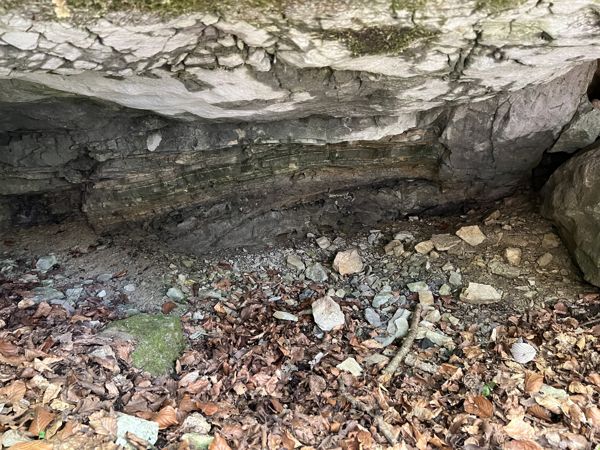
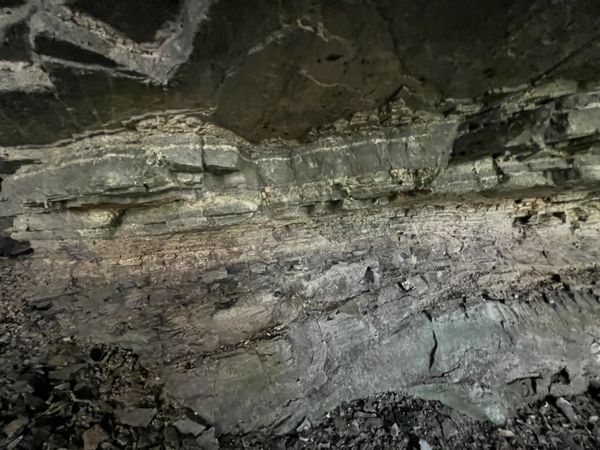
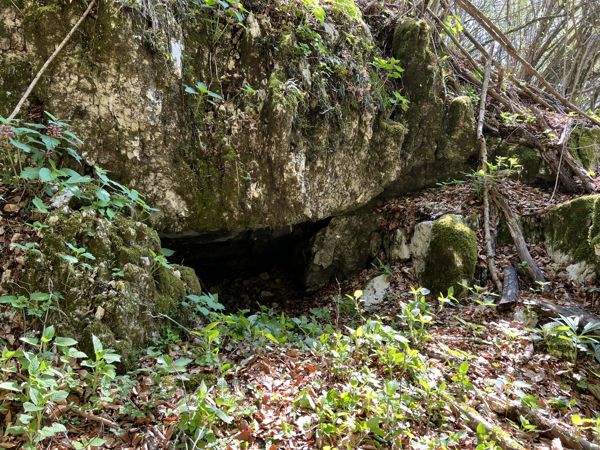
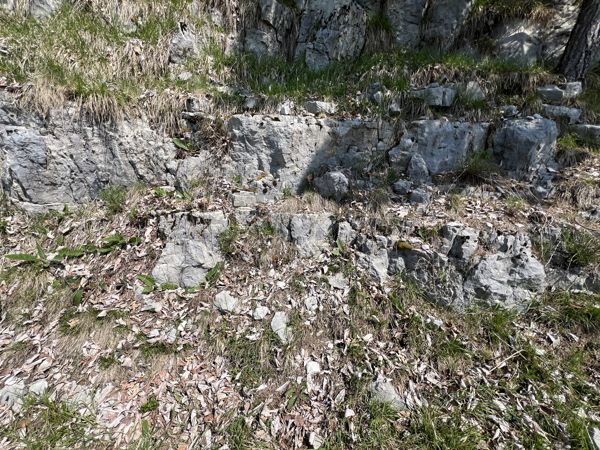
Images · Mezzomonte – Calcari del Cellina
13 photos · Photo Divulgando Srl · May 2025. Tap a photo to enlarge it.
Rebuild the Jurassic reef
155 million years ago there was a tropical sea here. Follow the growth of the reef in the three stages A, B and C along the road to Mezzomonte, or tap an area to find out who lived there.
The sea is still deep: in front of the first bioconstructions live brachiopods and cephalopods.
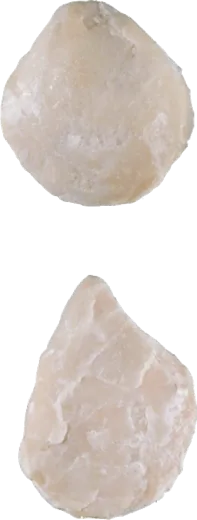
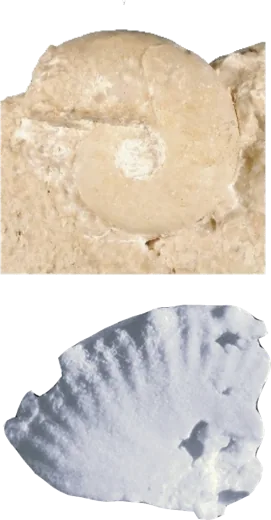
Animated reconstruction from Barbara Buttignol’s diagram for the panel «The Polcenigo ridge» (Municipality of Polcenigo, project by Divulgando Srl); fossil photos from the same diagram.